`12`Health Benefits of Turmeric
Anti-inflammatory Properties
Curcumin modulates multiple molecular targets involved in inflammation and oxidative stress. Its effects are stronger when delivered in bioavailable forms or combined with piperine from black pepper. Because curcumin is poorly absorbed on its own, pairing it with fat or piperine enhances its uptake and potential benefits.
Digestive Support
Both traditional use and modern research indicate that the root of turmeric is what possesses digestive soothing properties. Curcumin’s anti-inflammatory action can reduce gut inflammation signals, which may ease symptoms in mild functional disorders. It can interact with gut microbiota, potentially promoting a healthier microbial balance. Some people even report relief from occasional indigestion when using culinary amounts. Because it can stimulate gallbladder contraction, those with gallstones should consult a provider before using concentrated extracts.
Recovery and Immunity
Curcumin’s antioxidant and anti-inflammatory properties may reduce exercise-induced muscle soreness and speed recovery when taken around training. It may also support immunity through antioxidant pathways, though it is not a substitute for vaccines or medical care (of course).
Why Turmeric Makes the Perfect Juice Ingredient?
Turmeric’s signature bioactive compound curcumin gives it anti‐inflammatory and antioxidant properties long prized in Ayurvedic and traditional Chinese medicine. Curcumin is said to help with inflammation and enhance antioxidant enzymes. Many supplements boast the power of turmeric, but you can find them here instead.
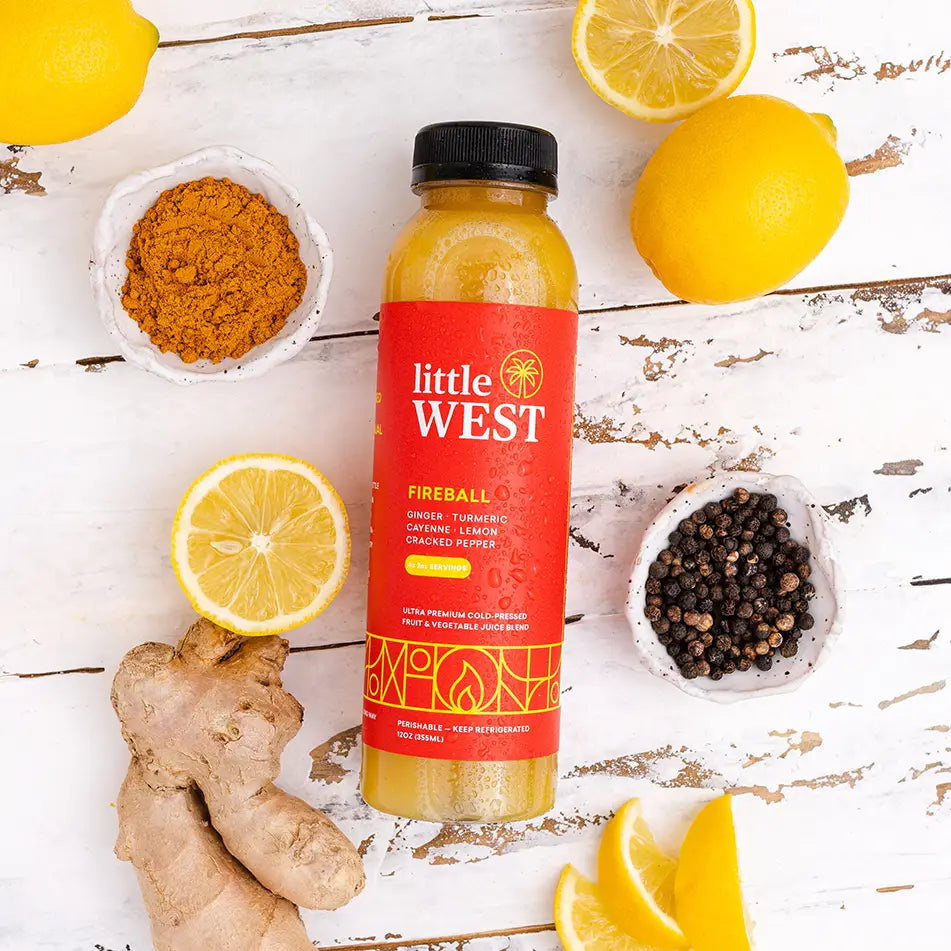
Sunrise, Gold’n Greens, and Fireball all have turmeric in them. Instead of shopping for those powders and pills, grab a refreshing cold pressed juice instead!
How to Incorporate Turmeric into Your Diet?
Try these quick ideas:
- Add to soups and stews.
- Season roasted vegetables with it.
- Combine turmeric with warm milk to make “golden milk”.
Turmeric can make juices sunnier. That’s why we opt to add it to cold pressed juices. We don’t often cook turmeric-y food, so this is a good alternative.
Since a little goes a long way, see how to work it into your daily routine so you sip the right amount at the right time.
Is Turmeric for Everyone?
Yes, if…
- You want more flavor and color of your food and drinks.
- You want a functional ingredient to work with.
No if…
- You want a lot of turmeric. High “doses” may be harmful.
Scientific Studies:
References
Further Readings: