Cold-pressed juicing gives you an easy way to drink fruits and vegetables without overcomplicating things. You get hydration, vitamins, antioxidants, and plant compounds in a form your body can absorb quickly. Cold-pressing skips heat, so more of the nutrients stay intact.
This guide doesn’t treat juicing as a cure or a shortcut. Instead, it looks at how common cold-pressed juice ingredients connect to everyday wellness needs. Greens, roots, citrus, and functional botanicals all bring different nutrients to the table. Each one supports your body in its own way, whether that’s digestion, energy, immunity, heart health, metabolic balance, or recovery.
Below, you’ll find a breakdown of the wellness areas most often linked to cold-pressed juices. You’ll also see which ingredients support each goal, so you can choose what fits your routine and what your body actually needs.
*Disclaimer: This content is for informational purposes only and is not intended as medical advice. Always consult a qualified healthcare professional regarding any health concerns.*
Immune System Support:
We’ve heard it all before. Food pyramid this, food circle that… We do recommend you check those out, but the gist is that we need a variety of vitamins, antioxidants, and anti-inflammatories to stay in tip-top shape. Those essential nutrients can’t and don’t come from just one ingredient, no matter how healthy it’s of
Key Ingredients in Immune-Focused Juice Blends
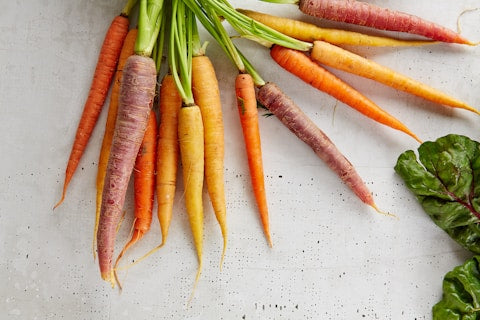
Carrot
(beta-carotene + antioxidants)
Cayenne
(capsaicin, anti-inflammatory)
Celery
(vitamins A/C + phytonutrients)
Ginger
(immune modulator + anti-inflammatory)
Kale
(vitamin C, flavonoids)
Lemon & Lime
(vitamin C supports normal immune functions)
Orange
(vitamin C and bioflavonoids)
Pineapple
(vitamin C; bromelain with potential immune benefits)
Spinach
(vitamins A/C and polyphenols)
Turmeric
(curcumin; potent anti-inflammatory and immune modulatory)
These ingredients are widely recognized for providing:
- Vitamin C, a nutrient involved in normal immune system processes
- Polyphenols that help protect cells from oxidative stress
- Ginger and turmeric contain plant compounds being researched for their role in overall wellness
Eagle-eyed readers will notice vitamin C pops up more than once. That’s because it plays an important role in immune system processes. But here’s the thing — it’s not about loading up on just one nutrient. It’s about creating balance across the board.
If you’re curious what that balance looks like in real life, citrus-forward and leafy green blends often bring together complementary ingredients in a way that feels simple and sustainable — like many of the thoughtfully combined options found in immune-supporting juice blends.
When Immune Habits Matter Most
Seasonal shifts, travel, busy schedules — life doesn’t always slow down. That’s usually when we start thinking more about supporting our immune system.
Hydration, consistent produce intake, and steady routines go a long way. During colder months especially, many people gravitate toward ginger-, citrus, and turmeric-based juices. Cold-season blends are often enjoyed when feeling under the weather, not as a cure, but as a nourishing option alongside rest and proper care.
Because even healthy people get sick sometimes. That’s normal. What matters most is giving your body consistent support through balanced habits.
Immune Support for Active Lifestyles
If you’re training hard, staying active, or constantly on the move, your immune routine matters even more. Recovery, hydration, and nutrient diversity all play a role in maintaining overall wellness.
That’s why produce-dense, cold-pressed juices commonly chosen by active individuals tend to emphasize greens, citrus, and antioxidant-rich fruits. It’s not about extremes — it’s about consistency that fits into a demanding schedule.
Spotlight on Everyday Staples
Some ingredients just make it easier to stay consistent.
For example, celery juice often becomes part of a simple morning routine because it’s light, refreshing, and easy to incorporate daily.
Pineapple juice, with its naturally occurring vitamin C, fits nicely into a midday rotation when you want something bright and tropical.
And then there’s kale, a leafy green that shows up in many blends thanks to its vitamin C content and phytonutrients. When paired with citrus, it creates a nutrient profile that supports overall wellness without overcomplicating things.
Why Variety Is Your Friend
You’ll find many of these ingredients in cold-pressed juices. The goal isn’t to overload on one thing — even vitamin C. Too much of anything isn’t the answer.
What you want is a steady supply of distinct nutrients from different fruits and vegetables. A mix. A rotation. A rhythm.
Because immune support isn’t about quick fixes.
It’s about consistently giving your body the kind of fuel it knows how to use.
Digestion & Gut Health
Did you know that around 70% of the immune system resides in the gut? Yeah, that surprised us, too! Common issues like constipation, bloating, sluggish digestion, and discomfort may happen when your digestive health is compromised. Let’s avoid that, shall we?
Fiber is an important factor when it comes to juices that can help support gut health. Cold pressed juices may also give you digestion-supportive nutrients in an easy-to-absorb form while doubling as a hydrating beverage.
Key Ingredients For Digestion & Gut Health Juices:
Dandelion
(prebiotic fiber; supports gut bacteria)
Fennel
(commonly used for bloating, gas relief)
Jicama
(rich in inulin — a prebiotic fiber)
Parsley
(fiber + digestive bitters)
Digestive-supporting Ingredients often focus on:
- Hydration to help maintain normal bowel regularity
- Prebiotic fiber like inulin, which serves as fuel for beneficial gut bacteria
- Plant compounds being studied for their antioxidant properties
You’re probably well aware of fiber being essential in digestive and gut health. But how about hydration? The reason why hydration is important is that it helps break down food, aids in nutrient absorption, and allows for smoother transit (think of it like flushing).
The word ‘bacteria’ might also scare you when you come across it for the first time, but there’s such a thing as good bacteria! Gut bacteria help break down fiber and ferment indigestible carbohydrates into beneficial short-chain fatty acids.
You might see some juices that highlight plant compounds studied for their antioxidant properties. These compounds are being researched for their role in overall digestive comfort.
Energy, Performance & Recovery
Ever heard of a juice boost? Instead of grabbing those artificially flavored energy drinks or even those super sweet sodas, a cold pressed juice can be a refreshing alternative. Aside from hydration and naturally occurring nutrients, there’s more to explore when it comes to juices.
Cold pressed juices may contain ingredients like coconut water, which provides electrolytes. These electrolytes play a role in normal muscle function and help maintain hydration during physical activity. They also contribute to the body’s natural temperature regulation during workouts.
Key Ingredients For Energy Boosting Juices:
Beet
(nitrates may improve blood flow and exercise performance)
E3Live
(blue-green algae; contains amino acids, antioxidants)
Pineapple
(bromelain, carbs for energy + recovery)
Spinach
(iron and nitrates support oxygen delivery)
Energy boosting Ingredients often focus on:
- Dietary nitrates being researched for their role in oxygen utilization during exercise
- Carbohydrates and antioxidants that contribute to overall recovery nutrition
- Electrolytes that help maintain normal muscle function
Recovery is just as important as the activity! Usually, electrolytes are consumed before and during your workouts. But did you know that post-workout consumption is also ideal for rehydration?
Let’s take a closer look at one of the ingredients. Citrulline, a non-essential amino acid found in watermelon, has been studied for its potential role in post-exercise comfort and circulation. Many athletes can tell you — you might not feel soreness right away, but it can show up later. Including hydrating and nutrient-rich foods as part of your routine may help you feel your best.
Heart Health & Circulation
A heart-conscious diet often includes plenty of fruits and vegetables. Many of the commonly highlighted ingredients in balanced eating patterns include dark leafy greens like kale and spinach, while beets and others can be flavorful additions to your routine.
Key Ingredients for Heart Health & Circulation
Beet
(nitrates — help with healthy blood pressure)
Celery
(may influence blood pressure via phytochemicals)
Cayenne
(capsaicin supports circulation)
Kale
(fiber + nitrates + antioxidants)
Spinach
(fiber + nitrates + antioxidants)
Parsley
(antioxidants + vitamin K for vascular support)
Turmeric
(anti-inflammatory effects beneficial for heart health)
Juices featuring these ingredients often highlight:
- Dietary nitrates being researched for their role in supporting normal blood vessel function
- Antioxidants and betalains that help protect cells from oxidative stress
- Nutrients involved in oxygen transport and overall stamina
Athletes know what’s up! JJ Redick, a former NBA player and currently the coach for the LA Lakers, has a love-hate relationship with beets. We can guess he doesn’t prefer them because of their earthy taste, but he includes them in his routine because of their nutrient profile. Beetroot is a standout ingredient in our cold pressed juices, and we took the time to make them tasty… much like many of our other cold pressed creations.
Feel free to peruse. We’re not going anywhere. When it comes to matters of the heart, we know everyone’s needs are different. If you’d like, check out some of the articles we have gathered right below.he includes them in his routine because of their nutrient profile.
Weight Management & Metabolic Health
Many learn this the hard way. There is no shortcut when it comes to losing weight. And while exercise is definitely good for your overall health, your overall eating pattern plays an important role. Educate yourself on various ingredients so that you can have a healthier relationship with the foods you eat.
When used thoughtfully, cold pressed juices can complement a balanced diet. We need fruits and vegetables. Plain and simple. What’s not simple is always having fresh produce on hand when you need it. To combat wilting and waste, juices can make fruits and vegetables easier to enjoy. No more cooking — just drink!
Key Ingredients for Weight Management & Metabolic Health
Celery
(very low calorie + fiber)
Jicama
(prebiotic fiber, low digestible carbs)
Kale
(nutrient-dense, low calorie)
Spinach
(nutrient-dense, low calorie)
Pear
(fiber slows digestion + satiety)
Apple
(fiber slows digestion + satiety)
Weight-friendly ingredients may help:
- Increase daily vegetable and micronutrient intake
- Provide nutrients involved in normal energy metabolism
- Contribute to fullness with low-calorie, nutrient-dense ingredients
- Encourage mindful routines without extreme restriction
The ideal weight loss-centric ingredients would be those low in calories and yet very functional. Take your usual green juices. Leafy greens, cucumber, celery, and low-sugar fruits… This type of blend is popular among those focused on balanced eating because it provides a variety of nutrients with relatively low caloric content.
We also know that juice cleanses are often done to lose weight. But we hate to burst that bubble - it’s usually temporary. What you actually lose during your cleanse is water weight, not fat. And, believe us, it’s the latter you want to get rid of. When you start eating, you’ll likely get those few pounds back.
Skin Health and Radiance
We’ve been screaming this from the rooftops (well, not really - noise pollution exists)! You look how you feel. Period.
If you regularly rely on highly processed foods, you may feel low on energy and your skin may not look as vibrant. This is where cold pressed juices can complement a balanced routine.
Sure, you can exfoliate, cleanse, and do all the things. But you’ve got to support your rituals with real nourishment. Vitamins A, C, antioxidants, and plant compounds studied for their antioxidant properties are often associated with overall skin wellness.
Key Juicing Ingredients For Skin Health & Radiance
Carrot
(beta-carotene → vitamin A precursor)
Lemon
(vitamin C => collagen synthesis)
Orange
(vitamin C => collagen synthesis)
Pineapple
(vitamin C + bromelain may help mild inflammation)
Turmeric
(anti-inflammatory, may help skin health)
Mint
(soothing effect, rich in nutrients)
Skin-focused juices often highlight:
- Vitamin C, which contributes to normal collagen formation
- Antioxidants that help protect cells from oxidative stress
- Hydration as part of overall skin appearance
Overall nutritional balance
Inflammation? Again? Yes — it’s a natural process within the body. The bromelain in pineapple contains plant compounds being researched for their role in overall wellness. Luckily, these are ingredients you can find in cold pressed juices. While drinking, you’re also hydrating — which plays an important role in maintaining normal skin function.
And, hey, collagen. You might have seen that on your lotions or serums. We’ll try to be quick here. Collagen is a structural protein in the body. Vitamin C is required for normal collagen formation, which contributes to the structure and elasticity of skin.
Better Sleep & Recovery
Stress is pretty hard to avoid in this day and age. That can make it harder to relax — and don’t even get us started on sleep! With all the nutritional variety cold pressed juices offer, they can be a refreshing addition to your evening routine.
You can set up red lights, stay off your phone at night, and even play all the white noise you want. But sometimes, it’s how you wind down that affects your rest. Certain juices include ingredients often associated with calming nighttime routines.
Key Ingredients:
Turmeric
(curcumin can reduce inflammation that interferes with sleep quality)
Mint
(traditionally used to support relaxation and digestion before sleep)
Watermelon
(hydration may support overnight recovery)
Spinach
(magnesium content can support muscle relaxation)
Sleep-friendly juices often highlight:
- Nutrients involved in normal relaxation processes
- A calming wind-down ritual
- Plant compounds studied for their antioxidant properties
- Hydration without caffeine or added stimulants
Even though cold pressed juices like ours only contain naturally occurring sugars, they are still sugars. Avoid drinking sweeter juices right before bedtime. Earlier in the evening may be a better fit. Sleep is when your body carries out many natural recovery processes, so creating a consistent routine can help support overall restfulness.
Allergies & Sensitivities
We know juices can’t and won’t eliminate allergies or sensitivities. But staying nourished can be part of supporting overall wellness during seasonal or environmental changes.
Since irritation and discomfort aren’t fun, we can focus on habits that support overall balance. Maybe… by drinking cold pressed juices? We know this may be a stretch, especially since meaningful dietary impact depends on overall patterns rather than single ingredients, but there’s no harm in incorporating a variety of plant-based foods whenever you can.
Key Ingredients:
Cilantro
(traditional use for detox and mild inflammation reduction)
Turmeric
(broad anti-inflammatory action)
Ginger
(anti-inflammatory; some evidence for allergic rhinitis symptom relief)
Juices featuring these ingredients may help by:
- Reducing dietary exposure to common additives and irritants
- Supporting hydration and antioxidant intake
- Support overall wellness during seasonal changes
- Complementing a plant-forward eating pattern
Don’t you just want to get revenge on allergens? Pollen and other environmental triggers can be frustrating. The best approach is usually minimizing exposure and maintaining consistent, balanced nutrition.
Listen, our expectations here are pretty realistic. We know drinking a bottle of juice won’t suddenly make you resistant to seasonal triggers. But maintaining overall nutritional balance helps support normal body function, which plays a role in how we feel day to day
Final Takeaway: Choosing the Right Juice for Your Wellness Goals
Cold pressed juices aren’t a quick fix, nor will they be. For us, we understand that they are just one of the most convenient ways to get our daily fruits and veggies.
We must all understand that cold pressed juices are not magical tinctures and cure-alls. They work best when they’re part of a balanced diet. That’s why it’s these kinds of juices that can help you get where you need to be.
If there’s anything we’d like you to remember after this read, it’s that cold pressed juices are complementary to a healthy diet, not the primary source of all your essential nutrients. Stay informed, stay smart!
*Disclaimer: This content is for informational purposes only and is not intended as medical advice. Always consult a qualified healthcare professional regarding any health concerns.*