Health Benefits of Kale
Good For Heart Health:
Kale is rich in potassium, fiber, and antioxidants, all nutrients that contribute to good cardiovascular health. Potassium helps regulate blood pressure by counteracting sodium’s effects, and higher intake is linked to lower risk of hypertension.
Fiber in kale supports healthy cholesterol levels by binding bile acids and promoting excretion, which can reduce LDL cholesterol. Antioxidants, such as quercetin and kaempferol, help reduce oxidative stress, a key factor in heart disease progression. Vitamin K in kale also plays a role in vascular health by regulating calcium deposition in arteries.
Good for the Bones:
Kale is one of the richest sources of vitamin K, which is great for bone metabolism. Vitamin K helps activate proteins involved in bone mineralization, helping to reduce risks of fractures.
Calcium and magnesium in kale may also improve bone density and strength. Vitamin C contributes to collagen formation, which is critical for bone structure. Studies even show that diets high in vitamin K are linked to lower rates of osteoporosis! Go kale!
Digestion:
Kale is high in dietary fiber, which supports regular bowel movements and gut health. Fiber adds bulk to stool and promotes healthy digestion. Fiber also helps regulate blood sugar by slowing the absorption of glucose. Kale’s prebiotic compounds may also support beneficial bacteria in the gut.
Immunity:
Kale’s high vitamin C content supports immune cell function and enhances resistance to infections. Vitamin A from beta‑carotene contributes to mucosal health, which is the body’s first line of defense. Antioxidants in kale help protect immune cells from oxidative damage. Vitamin K also plays a role in immune regulation.
Good for the Eyes:
When people think of eye health, they often think of carrots. But there’s another contender in the ring! Kale is rich in lutein and zeaxanthin, carotenoids - all of which protect eye health. These compounds filter harmful blue light and reduce the risk of macular degeneration. Vitamin A supports vision by maintaining healthy retinal function. Antioxidants in kale help reduce oxidative stress in eye tissues.
Anti‑Inflammatory Properties:
Kale contains flavonoids and glucosinolates that are excellent anti-inflammatories. And why do we want anti-inflammatory ingredients? Because chronic inflammation is linked to arthritis, heart disease, and diabetes. Antioxidants in kale help neutralize those free radicals that drive inflammatory processes.
Why Kale Makes the Perfect Juice Ingredient?
We all know that kale is a powerhouse when it comes to nutrition, but some have a tough time swallowing its bitter taste - literally. That’s why the best way to get your kale in is by blending it with fruits and other veggies. This transforms its robust bitters into an approachable, nutrient-dense juice.
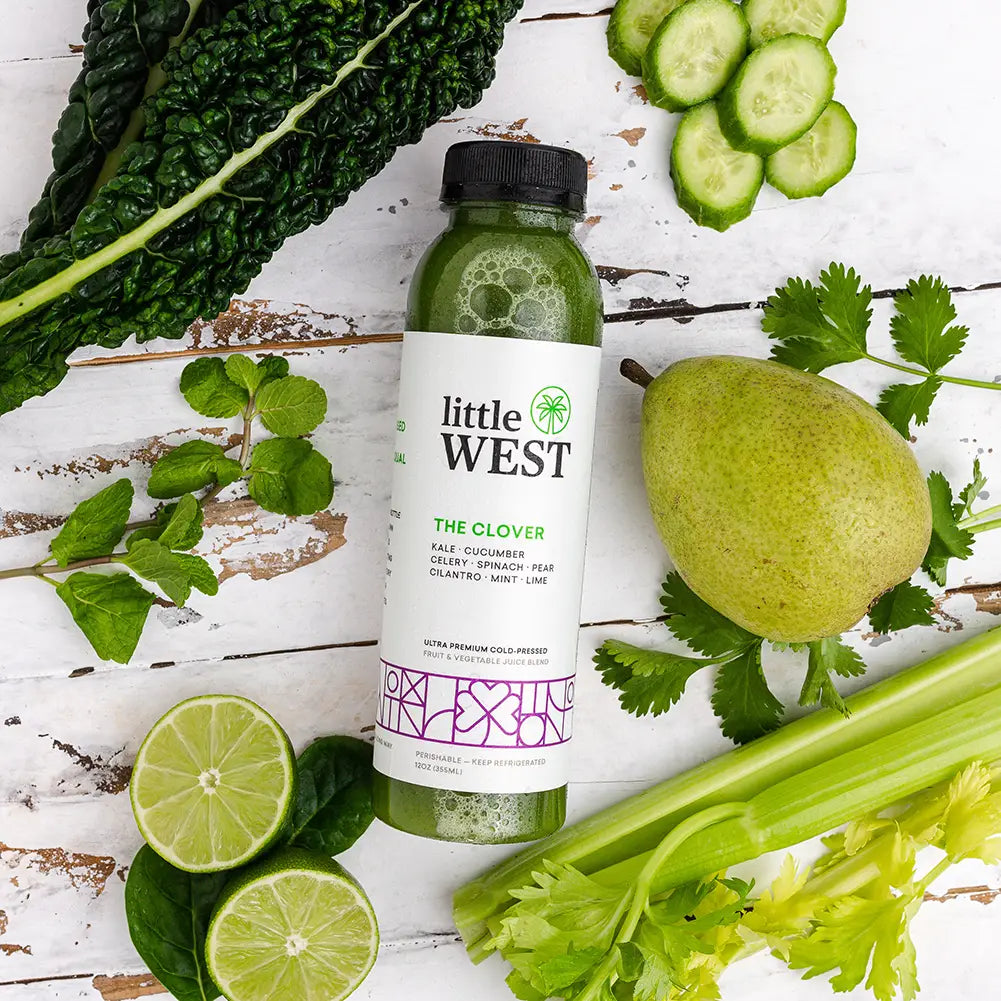
We probably go through more kale than anyone! Gold’n Greens, The Clover, Go Big, Detox Greens... That’s FOUR amazing kale-boosted juices! Kale is one of the most nutrient‑dense greens you can press into a bottle. It delivers vitamins, minerals, and antioxidants in a small volume, making these four juices bursting with benefits and (thanks to the ingredients it comes blended with) bursting with flavor.
How to Incorporate Kale into Your Diet?
Try these quick ideas:
- The quickest way is through fresh salads.
- To maybe hide the flavor, drop in stews or soups.
- For a better alternative to junk food, kale chips anyone?
- Can’t go wrong with stir-frying veggies!
We like smoothies and juices here at Little West (if you can’t tell). That’s why you’ll find our kale in many of our cold pressed juices. We think it’s the best way to get our greens in.
Is Kale for Everyone?
Yes, if…
- Need a detox.
- Need a healthy boost to your diet.
- Need a healthy dose of antioxidants.
No if…
- You are on blood thinners (Kale’s high vitamin K may interfere with medication).
- You have thyroid concerns. Best avoid excess consumption.
Scientific Studies:
References
Further Readings