Spring Special
  • hr
  • mn
  • sc
Buy 12 Juices, Get 2 FREE! T&Cs apply.
|
Spring Special
  • hr
  • mn
  • sc

How to Drink Cold Pressed Juice: A Beginner's 101 Guide

So you've got a cold pressed juice in front of you — when's the best time to drink it? How much should you have per day? Should it be on an empty stomach, or with food? Whether you've just placed your first Little West order or you're considering one, this guide answers the questions every new juicer asks. We'll cover when to drink it, how often, how much, what to pair it with, and how to actually feel the difference.

Looking for the basics — what cold pressed juice is and how it's made? Head to our cold pressed juice collection for the science. This page is about putting it to work.

Shop Cold Pressed Juices

The 30-second version:

  • Drink it first thing in the morning, on an empty stomach, for the cleanest absorption.
  • Aim for one 12 oz bottle per day if you're a daily juicer.
  • Sip it slowly over 5–10 minutes — don't gulp.
  • Wait 20–30 minutes before eating breakfast.
  • Most people feel a difference within 7–14 days of consistent use.

Below, every one of those rules with the why behind it.

When is the best time to drink cold pressed juice?

There's no single "wrong" time to drink cold pressed juice — but there are times that maximize what you get out of every bottle. The short answer: first thing in the morning, on an empty stomach. The longer answer depends on what you're drinking and what you're trying to feel.

How much cold pressed juice should you drink per day?

The 12 oz standard serving (and why)

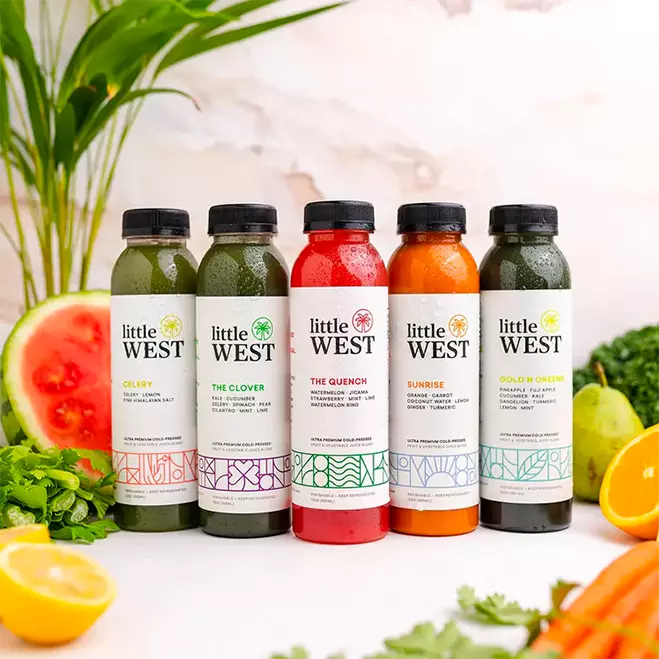
Every Little West bottle is 12 oz — and that's deliberate. It contains 2 to 4 pounds of fresh produce, which is roughly the daily fruit-and-vegetable intake the USDA recommends a typical adult eat. One bottle a day covers that nutritional ground in a way that's genuinely hard to do with whole produce alone (have you tried eating 4 pounds of celery?).

For most people, one 12 oz bottle per day is the sweet spot. It's enough to feel a measurable difference in energy and digestion within 1–2 weeks, without overloading sugar or calories.

Per-juice guidance

Juice type Daily upper guideline Best for
Green juice (kale, spinach, celery base) 12–16 oz Daily morning routine
Fruit juice (orange, watermelon, berry) 8–12 oz Pre-workout, afternoon lift
Root-heavy juice (beet, carrot) 8–12 oz Recovery, blood-flow support
Wellness shots (ginger, turmeric) 2 oz Daily immune & inflammation support

Calories, sugar, and how juice fits your day

A 12 oz Little West juice runs roughly 100–180 calories depending on the blend. The sugars are entirely natural fruit and vegetable sugars — we don't add cane sugar, agave, sweeteners, or concentrates of any kind. That said, fruit sugar is still sugar, and your body processes it. If you're tracking macros or managing blood glucose, treat a 12 oz bottle as you'd treat a piece of fruit and a half: nourishing, but not free.

For the lowest-sugar option, our low sugar cleanse is built around vegetable-forward blends with minimal fruit.

Cold Pressed Juice For Weight Loss

How to drink cold pressed juice (the right way)

Empty stomach vs with food

Empty stomach is better — for absorption, energy, and how you'll actually feel afterward. Drinking juice on a full stomach means it sits in your digestive system behind whatever you ate, the natural sugars metabolize differently, and you lose most of the "fast lift" effect. The exception: if cold pressed juice on an empty stomach gives you any nausea or stomach discomfort (some people react this way to ginger shots, beet, or strong greens), have a few bites of toast or a small handful of nuts first.

Sip vs gulp

Sip slowly — 5 to 10 minutes per bottle. Two reasons. First, slower consumption gives your body time to register the fruit sugars and respond with a measured insulin release rather than a spike. Second, juice deserves to be tasted; if you're knocking back a $9 bottle in three swallows you're getting the nutrition but missing half the experience.

Best temperature

Drink it cold, straight from the fridge. Cold juice is more refreshing, the flavors are sharper, and — practically — cold pressed juice should always be kept cold for safety and shelf life. Don't microwave it (heat destroys the live enzymes that make cold pressed juice cold pressed in the first place). If you prefer it less icy, pour into a glass and let it sit on the counter for 5 minutes.

What to drink it with (and what to avoid)

  • Pair well: water (drink a glass before juice to prep your gut), green tea (later in the morning), or a light protein-forward breakfast 20–30 minutes after.
  • Avoid: drinking juice immediately with coffee (caffeine + fruit sugar can cause a sharper crash), with alcohol, or with very high-fat meals (slows nutrient absorption significantly).
  • The coffee question: if you're cleansing, see our deeper read on whether you can drink coffee or tea during a cleanse. The short answer: a small black coffee is fine on most days, but skip it during structured cleanses.
Juicing for Immunity and Inflammation

Cold pressed juice for specific goals

Quick guidance for matching juice to what you're trying to feel. For the deep dive on each, follow the links to our blog and product pages.

For energy

Beet, carrot, and ginger blends give the most reliable lift without caffeine. Try the Classics Sampler to test which body of yours responds to which.

For digestion

Ginger, lemon, and pineapple are the workhorses. Drink first thing in the morning, before food. Read cold pressed juices for acid reflux and best juices to relieve constipation.

For skin

Antioxidant-rich berry, beet, and green blends. Skin changes show up around week 3. The natural vitamin C in our Dracula Blood Orange Juice supports collagen production.

For recovery (post-workout)

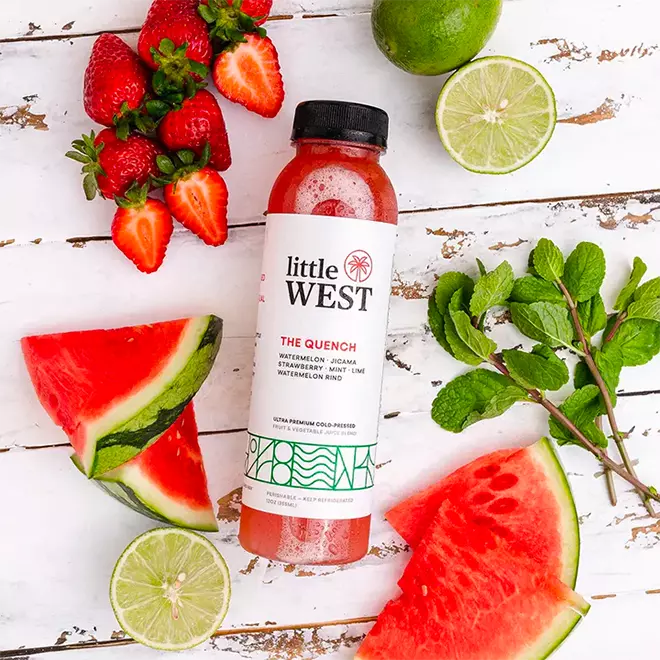
Watermelon, beet, or tart cherry-style blends within 30 minutes of finishing. Our Quench Watermelon Juice is the team favorite here — the natural L-citrulline in watermelon is well-studied for muscle recovery.

For immunity

Ginger and turmeric shots daily, plus citrus-forward juices. The Immune Booster Juice Kit bundles 12 bottles for two weeks of daily immune support. Read more in best juices for immunity and cold-fighting juices to drink when sick.

For inflammation

Turmeric, ginger, dark leafy greens, and tart cherries. The Anti-Inflammation Kit is built around these ingredients. Background reading: how to reduce inflammation overnight.

For weight management

Lower-sugar, vegetable-forward blends. Our Low Sugar Cleanse or short, structured cleanses like the Classic 2 or 3 Day Juice Cleanse are good starting points. Critically: cold pressed juice supports weight goals as part of an overall plan — it's not a stand-alone solution.

For hydration

Watermelon, cucumber, and citrus-forward juices. A juice + a glass of water before any workout in summer is one of the simplest electrolyte plays going.

Storage, shelf life & freshness

Cold pressed juice is alive — that's what makes it different from pasteurized supermarket juice. It also means storage matters more.

Why refrigeration is non-negotiable

Little West juice contains no added preservatives. Every bottle should stay between 33–40°F from the moment it leaves our cold chain to the moment you drink it. A bottle left on the counter for more than 2 hours should be discarded — not because it's instantly unsafe, but because the live enzymes and nutrient profile begin to degrade quickly at room temperature.

How long does it keep?

An unopened Little West bottle is good for the date printed on the label (typically 30–45 days from press date when refrigerated continuously). Once opened, drink within 24–48 hours for best flavor and nutrition.

Can you freeze cold pressed juice?

Yes, for up to 3 months. Leave 1 inch of headspace in the bottle for expansion, freeze immediately, and thaw in the fridge — never on the counter. Freezing preserves most nutrients but slightly mutes the flavor. For the full breakdown, see our deep guide on understanding cold pressed juice shelf life.